University of California San Francisco

CAMBRA: Proven method for preventing tooth decay
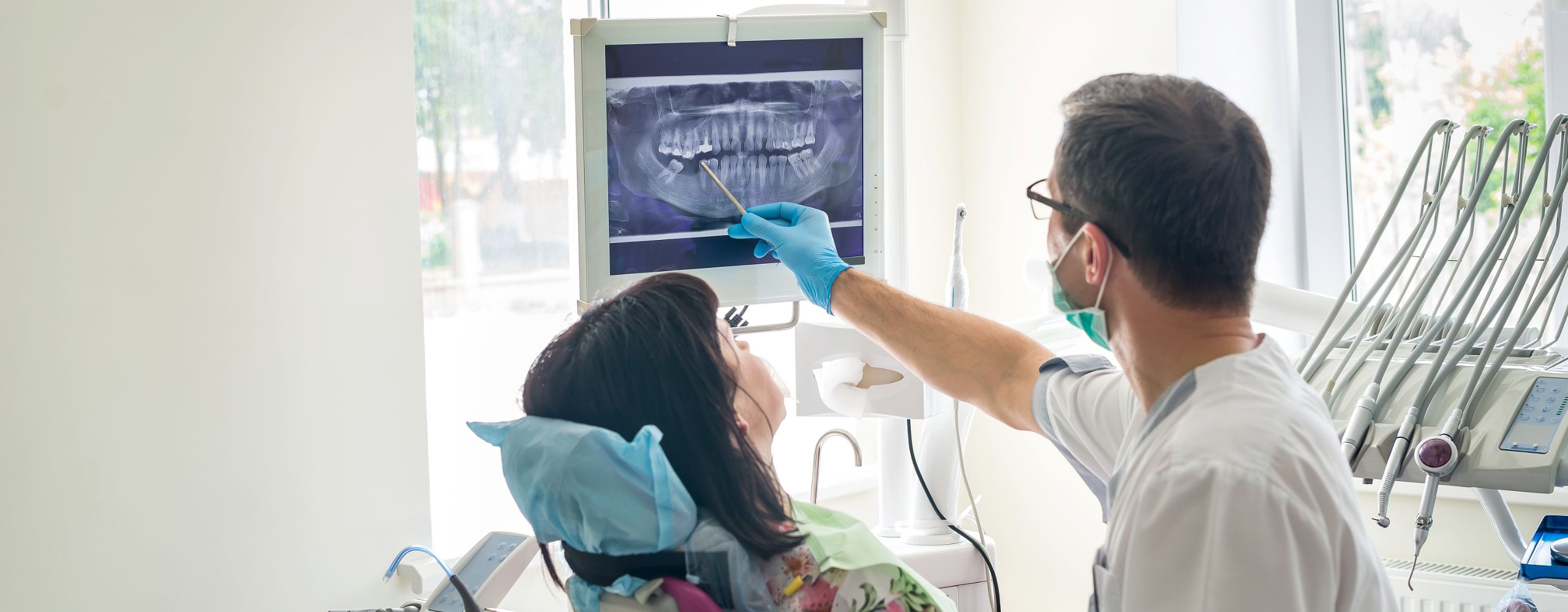
Caries Management by Risk Assessment (CAMBRA) is a research-based strategy for assessing patient risk and developing treatment plans that prevent and manage cavities early on. Developed at UCSF in the early 2000s, this evidence-based approach weighs risk factors—such as harmful bacteria, low saliva levels, and diet—against protective factors like fluoride use, antibacterial rinses, and adequate saliva flow.
By identifying risk early and tailoring care accordingly, CAMBRA empowers clinicians to prevent cavities before they start and improve patient outcomes through personalized, preventive care.
Why CAMBRA matters
Numerous studies have demonstrated that the CAMBRA approach can:
- Prevent a lifetime of oral pain and discomfort
- Save patients thousands of dollars in dental bills
- Help dental practices grow by focusing on prevention and patient well-being
As a proven model for preventive dental care, CAMBRA aligns with today’s health care priorities by emphasizing early intervention and patient-centered care.
How CAMBRA is used in clinical practice
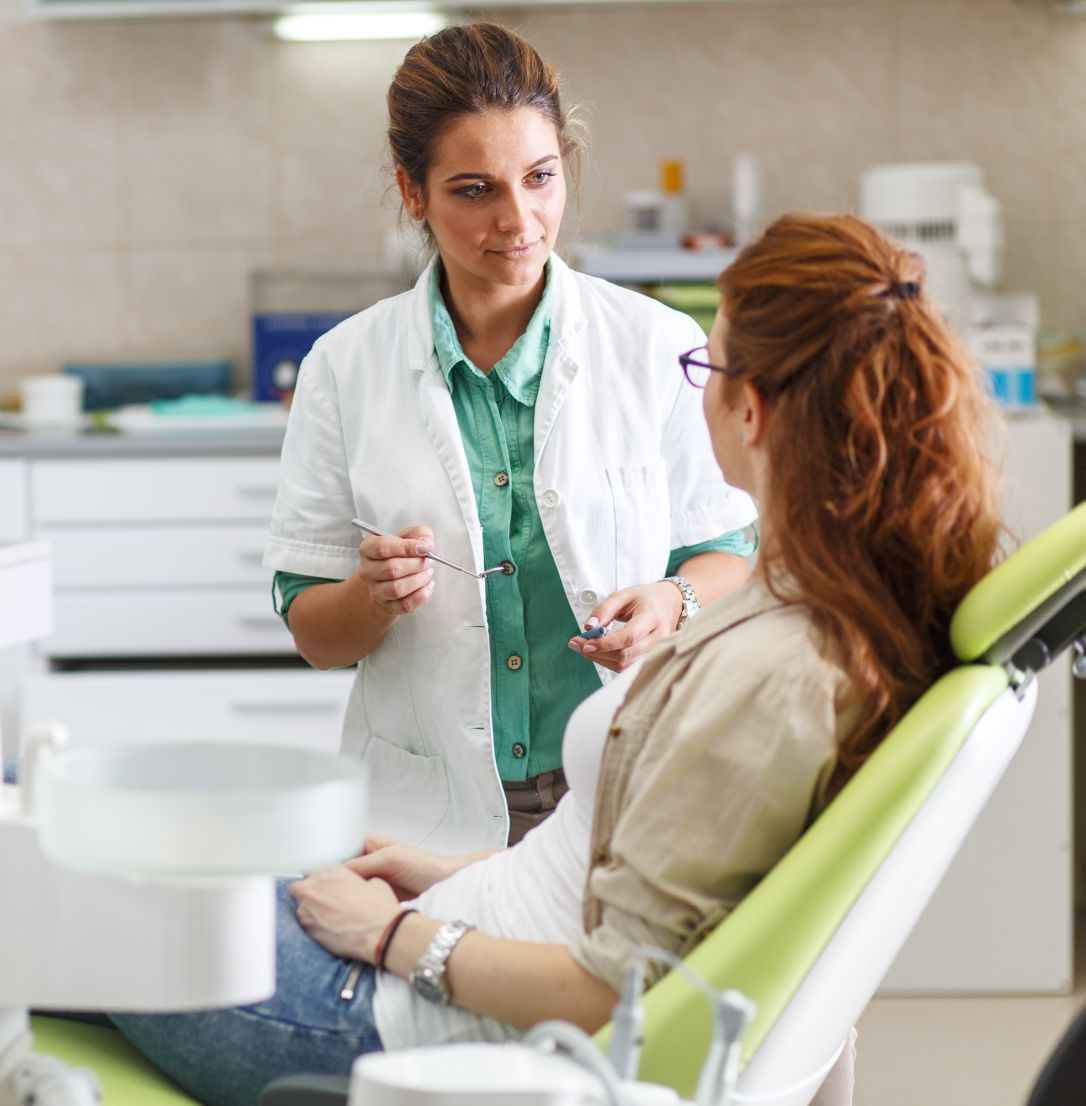
Dentists and prosthodontists worldwide have adopted CAMBRA to help patients manage oral health risks and sustain healthier smiles.
Implementation typically includes:
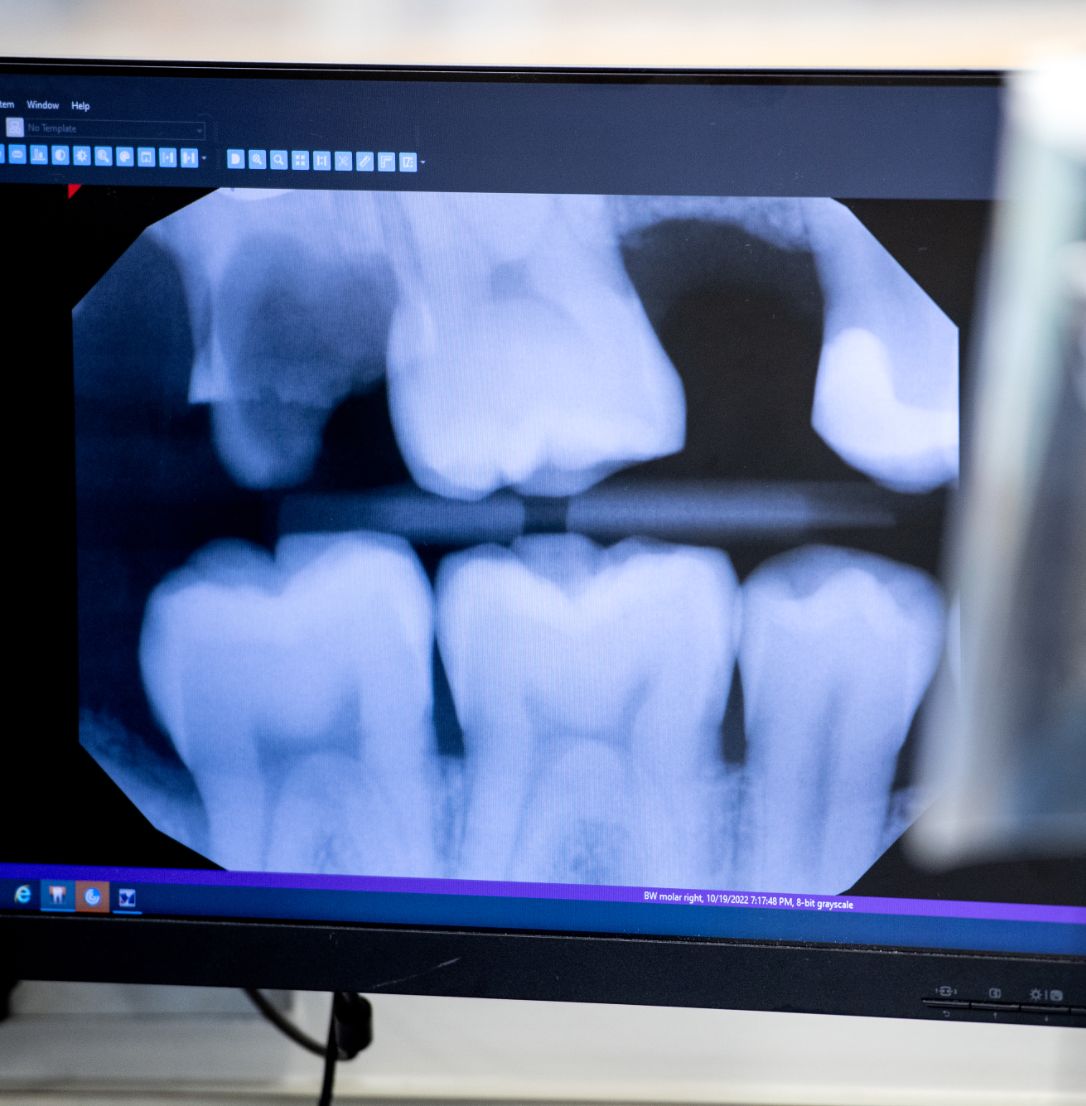
- Assessment: Taking dental and medical histories and performing exams to identify early caries lesions and contributing risk factors such as acid-producing bacteria, diets high in fermentable carbohydrates, and saliva dysfunction.
- Management: Addressing risk factors by enhancing protective factors through both behavioral and chemical strategies. Treatment plans often include remineralization (fluoride, chlorhexidine, or xylitol), minimally invasive restorative techniques, and regular follow-ups.
- Results: Research shows that one CAMBRA treatment—applying 5,000-ppm fluoride twice daily—can reverse many root caries lesions, especially in older patients.
CAMBRA’s structured, evidence-based approach helps clinicians provide measurable results while reinforcing trust and continuity of care.
CAMBRA research, methodology, and licensing
Since its introduction in 2002, CAMBRA has been grounded in decades of peer-reviewed research. Validation studies published through 2018 confirmed its effectiveness and reproducibility in both university and community dental settings.
The CAMBRA methodology is evidence-based and intended as a guide for clinicians; final decisions on patient care remain at the discretion of the provider.
-
Early studies identified the connection between salivary dysfunction and caries risk, forming the scientific foundation for CAMBRA. By 2006, validation studies confirmed the reliability of CAMBRA’s risk assessment tool. Continued testing through 2018 reaffirmed that CAMBRA successfully translates university-based research into real-world dental practice. In short, the science is in—CAMBRA works.
-
UCSF researchers have also developed complementary tools:
- PEMBRA: Periodontal Disease Management by Risk Assessment
- VERDICT: Valid Electronic Health Record Caries Indices Calculator
Together, these tools extend evidence-based prevention and management strategies beyond caries to other areas of oral health.
-
These materials are free to use for patient care, education, academic works, research, health promotion, health policy, and related activities. Permission is required for any commercial use; contact innovation@ucsf.edu for inquiries.
-
CAMBRA, PEMBRA, and VERDICT content are licensed under a Creative Commons 4.0 International license (CC BY-NC-ND 4.0).
This license allows for:- Attribution (BY): Give appropriate credit and indicate if changes were made.
- Non-Commercial (NC): Use only for noncommercial purposes.
- No Derivatives (ND): You may not distribute modified versions of the material.
Attribution Notice:
- CAMBRA: © 2003, 2010, 2011, 2019–2021 The Regents of The University of California. CAMBRA® is a trademark of The Regents of the University of California.
- PEMBRA: © 2013 The Regents of The University of California.
- VERDICT: © 2017 The Regents of The University of California.