University of California San Francisco

Cathedral Thinking

Would you work on a project if you knew you would never see it completed? You might, if you knew it was something that would hold value for countless future generations.
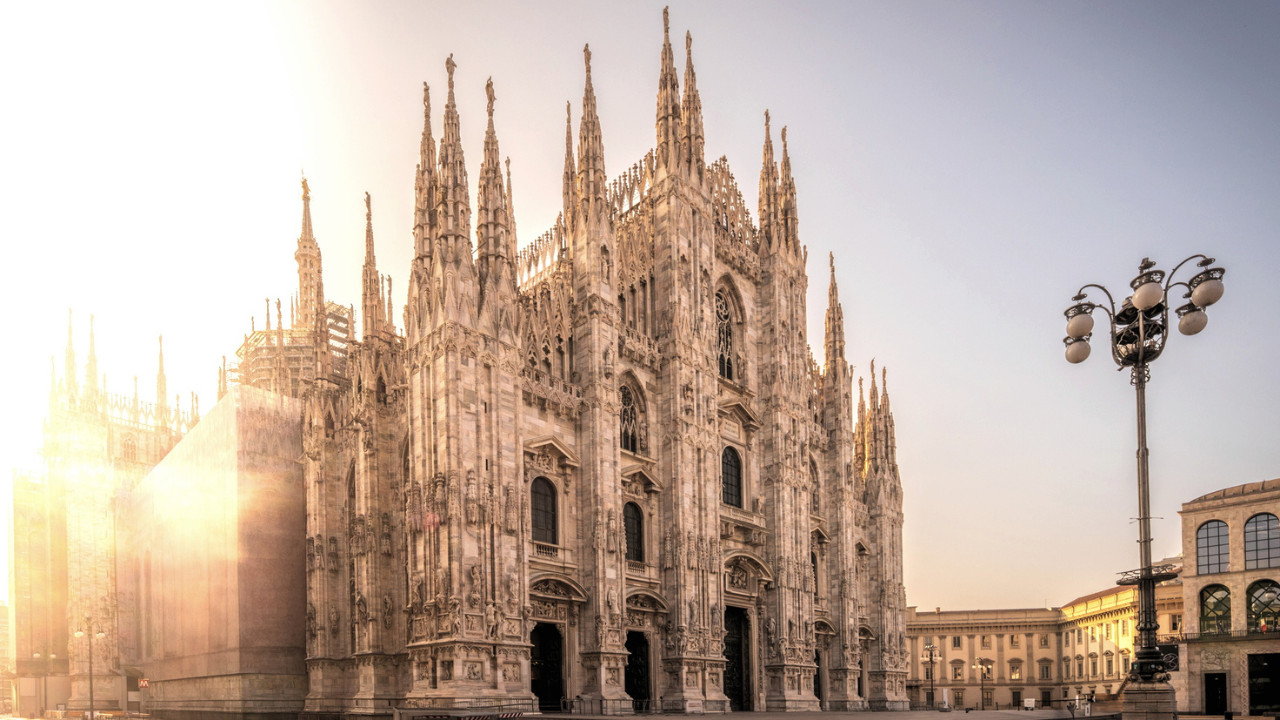
Throughout history, most of humanity’s great achievements were not completed within a single lifetime. Some medieval cathedrals, for example, took centuries to build. Construction began at the Milan Cathedral in 1386 and was completed in 1965. The people who labored on it committed themselves to a vision larger than their own lives. The idea of building for a future we will not experience is the essence of “Cathedral Thinking.”
Today, success is often measured over much shorter timelines. Leaders focus on quarterly earnings, headwinds from election cycles, and quick wins. Yet the most enduring societies, institutions, and organizations are created by leaders who think decades ahead. Cathedral Thinking strengthens society through trust and stewardship, creates sustainable progress, and builds legacies that outlive individual leaders.
Continuation, Not Victory
At the heart of Cathedral Thinking are leadership practices that separate long-term builders from short-term managers. The first is to lead for continuation rather than victory. Short-term leaders focus on instant gratification, market dominance, or temporary popularity. Even in academic health systems we react to university, hospital, and research rankings each year and, while this is a tremendously useful indication of how we are doing, we must remember it's just a snapshot in time. Cathedral thinkers put this information to use to propel the mission forward so it can evolve beyond their own leadership.
This idea reminds me of Simon Sinek’s concept of The Infinite Game. Sinek says certain games, like football or chess, have finite endpoints. An infinite game is one that does not have a concrete finishing point but instead provides benefits over time for everyone who participates. Leaders practicing Cathedral Thinking are more interested in stewardship than competition, so instead of asking the question: “How do we win today?” they ask: “How do we remain valuable fifty years from now?”
Social Trust as the Highest Form of Capital
The second practice of Cathedral Thinking is treating social trust as the highest form of capital. Financial success can rise and fall quickly, but trust grows slowly over generations. Institutions that survive for centuries, such as universities, hospitals, enduring companies, and successful governments, depend on credibility, fairness, and public confidence. Leaders build trust by investing in ethical behavior, transparency, and human dignity, even though these may not produce profits that are immediately apparent. Every decision can either strengthen or weaken the social foundation on which future success depends. Cathedral thinkers understand that sustainable leadership requires more than economic growth. It requires maintaining trust that allows institutions and societies to endure.
Systems That Produce Future Leaders
A third practice is creating and reinforcing systems that produce future leaders. Short-term leaders often centralize power around themselves, while long-term leaders focus on succession and institutional resilience. Short-term leaders build followers whereas long-term thinkers nurture successors. This is how builders of cathedrals knew others would continue their work after they were gone.
Cathedral Thinkers mentor others, focus on education, and create cultures capable of developing future leaders. The true measure of leadership is not whether an organization succeeds during one person’s tenure, but whether it can continue to grow stronger after that leader leaves.
Several mentors helped me in my own journey. They invested their time and shared their wisdom to help me grow as a leader and strengthen the organizations I serve. Today, when I have the privilege of developing leaders, I pass the lessons of my mentors along to them. Investing in people and institutional culture ensures that progress continues across generations.
The true measure of leadership is not whether an organization succeeds during one person’s tenure, but whether it can continue to grow stronger after that leader leaves.
Stewards of the Future
Perhaps the essential practice of Cathedral Thinking is being a steward of the future. Leaders who adopt this mindset recognize that they are temporary caretakers of systems larger than themselves. Instead of asking, “What benefits us immediately?” they ask, “What future becomes possible because of this decision?” This perspective forces leaders to consider the impact of their actions on people they may never meet. Generational challenges such as climate change, public health, and social inequality are not going to be solved within a single leadership term. Cathedral Thinking transforms leadership from personal ambition into a responsibility to future generations.
Through patience and sustained commitment, Cathedral Thinking drives innovation and human progress. Many of humanity’s greatest achievements, such as scientific discoveries, medical breakthroughs, educational systems, and democratic institutions, all emerged through long-term investment rather than simply pursuing immediate results.
Higher education provides a great example of how this works in real life. As dean of a dental school, I am reminded each year that it takes a comprehensive team of faculty and staff working together to produce a graduating class. I see each class as another link in a chain of education, healthcare, and scientific exploration. Any of our excellent graduates may build on the work of those who came before and discover a new way to increase access to care, or a new treatment that improves countless lives. And I know that future graduates from this school will build on their successes in turn.
Critics may argue that long-term thinking is unrealistic in modern society. Political systems reward immediate results and society expects quick returns. Also, rapid technological change makes the future seem uncertain. No leader can perfectly predict what the world will look like fifty years from now. However, Cathedral Thinking is not about predicting the future with precision. It is about building adaptable foundations that are capable of surviving uncertainty.
The leaders who shape history are often not those who achieved the fastest victories, but those who built systems, institutions, and cultures capable of benefiting future generations. In a world increasingly consumed by short-term pressures, Cathedral Thinking reminds us that the most important work often takes longer than a single lifetime. We may not be the ones to see the spire of our cathedral reach into the sky, but we can lay the stones that will hold it.
Michael S. Reddy, DMD, DMSc
Dean, UCSF School of Dentistry
Associate Vice Chancellor, Oral Health Affairs
Share this post


