University of California San Francisco

A Season of Gratitude


Most of us are looking forward to Thanksgiving later this month. The food, gathering with family and friends, maybe some football — what's not to like? But sure enough, the food will be eaten, the games forgotten, and family gatherings may yet be impacted by COVID — again.
The heart of the holiday, of course, is thanksgiving. We give thanks for the meal, for those who prepared it, for the many blessings received over the course of the year.
The deliberate act of gratitude is powerful. Many studies in recent years have found that those who consciously count their blessings tend to be happier and less depressed. According to UC Berkeley's Greater Good Science Center, gratitude also has physical benefits, makes us more resilient, strengthens relationships, and even promotes better sleep.
One of the most important aspects of gratitude is that it shifts the mindset from "me" to "thee." It recognizes blessings that we did nothing to earn — the acts of others, "happy accidents," or people or things that simply bring us joy.
I myself am grateful for many things. Here are a few:
- For sunny, balmy days in early fall, after the foggy weeks of June, July and August; and for rain that may relieve our ongoing drought.
- For a thrilling series between the Giants and the Dodgers (even if it didn't end the right way).
- For the dedicated, hard-working faculty and staff in our school.
- For our bright, talented students who challenge us as educators.
- That we as a community appear to be turning the corner on the COVID-19 pandemic.
Experts often recommend keeping a gratitude journal to build a routine of thankfulness. If journaling is your thing, doing so once or twice a week is enough to build the practice without being overwhelmed. Others suggest writing a "gratitude letter" to an important person in your life whom you've never properly thanked — perhaps to a mentor, or to someone who has been supportive. Even the gesture of thanking someone for a simple kindness — holding a door open, or getting a cup of coffee — fosters goodwill and warm feelings that can be long-lasting.
It saddens me that the workplace apparently is where we are least likely to express gratitude. A 2013 survey by the John Templeton Foundation found that Americans are less likely to feel or express gratitude at work than anyplace else. None of us is an island; we all are dependent on others as we do our jobs.
UCSF's Recognize program exists to make those gestures easier at the workplace. Within the School of Dentistry, we''ll soon be launching a promotion to raise awareness of Recognize, and encourage everyone in our community to take time to thank colleagues.
So on that note, let me say thank you to all of you, for all that you do.
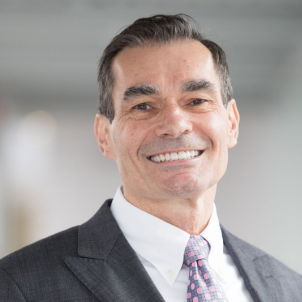
Michael S. Reddy, DMD, DMSc Dean and Associate Vice Chancellor, Oral Health Affairs
Share this post


