University of California San Francisco

Today's Dentistry Calls for Precision Medicine

When we consider common diseases, dentistry and other health care fields tend to focus on the delivery of care as a major component of health. In dental education, our efforts are mainly on delivery, while behavior, such as home care, accounts for a small component, and little emphasis is put on genetics and the environment (aside from didactic instruction). This has been a logical approach for academic health centers. But if health is our ultimate goal, the delivery of care may not be as impactful as we think.
Today, we have an opportunity to do things differently. We can use data-derived dentistry to translate population health into precision health care – individualized for the patient and communicated to all providers and the patient. Dentistry is uniquely suited for precision medicine because many of our patients see dentistry as a wellness visit, versus an illness visit for care. At the dentist, patients likely will be more willing to receive other health information while being examined and having their teeth cleaned.
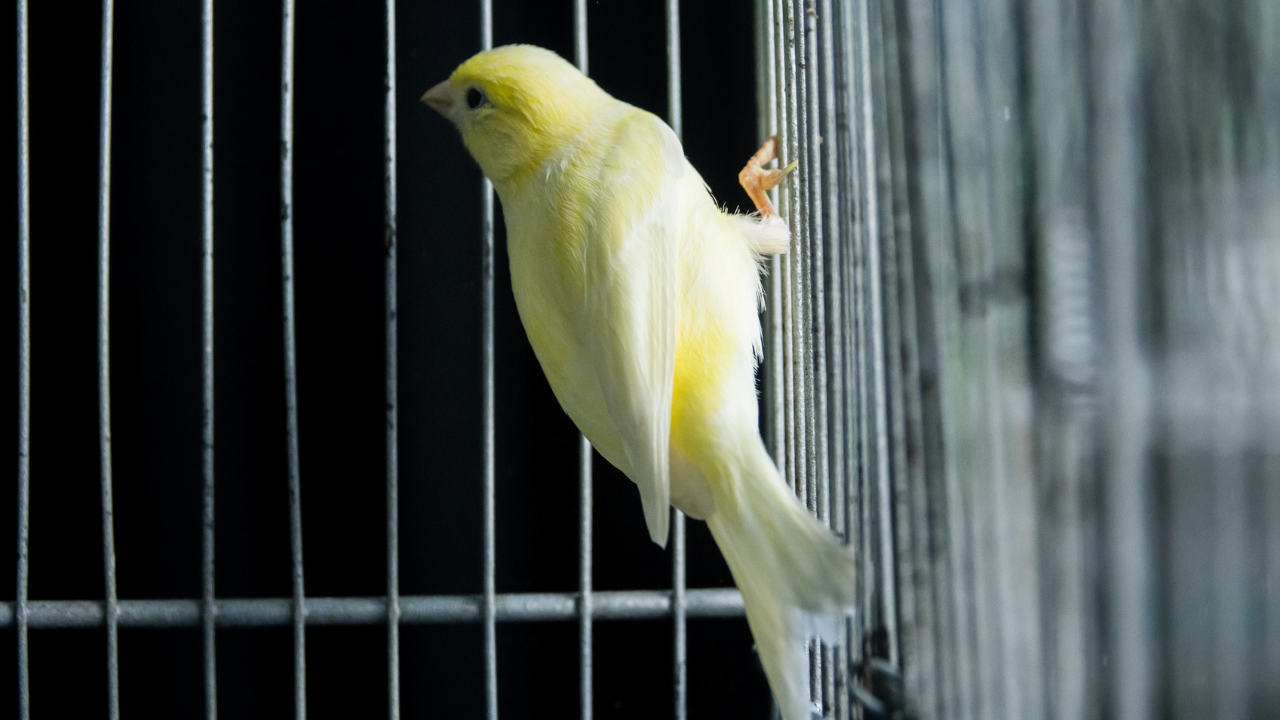
The way canaries alert miners to carbon monoxide and other toxic gases in a coal mine, studies show that the mouth can serve as a window into the body, lending itself to identification of preclinical conditions.
When we look at the prevention of dental caries and good oral health, the reality may be that health care delivery accounts for 10% of oral health, behavior or lifestyle account for 40%, genetics accounts for 30%, and environment (social and physical) determines 20% of health. Interestingly, these percentages don't change much for other major common diseases, such as cardiovascular disease.
Our first step toward precision medicine in dental care is utilizing a common electronic health record with our colleagues in medicine, nursing, pharmacy and other health fields to share vital patient data. At UCSF, health and dentistry have already started down this path. Next, we must embrace moving beyond examining a patient for observable findings to include genotyping as part of the assessment in dentistry.
To do this, a UCSF Precision Medicine initiative, known as the UCSF 3D Health Study, has started to offer our patients voluntary whole genome sequencing. By partnering with the School of Dentistry, the program will be one of its kind in the nation. Our school will recruit 500 patients for the project, collect detailed dental hygiene and phenotype data on participants, and help with data queries and conducting research projects.
By comparison, other U.S. health centers offer genotyping screens, like 23andMe, which look for specific known markers of genetic variation, or sequence panels of specific genes associated with particular diseases. The UCSF initiative will sequence the entire genome of any UCSF Health patient who voluntarily participates in the study. Also, none of the other genotyping screens include dentistry.
Much like the canary, assessing a dynamic network of biomarkers for critical transitions or looking at microbial imbalances of the oral flora can serve as an early warning sign for diseases before they are clinically apparent. As an example, early studies show that oral microbiota may have distinctive and predictive signs for colon and rectal cancer, which demonstrates the value of oral bacterial screening.
Today, high-definition oral health care also is possible.
By examining the lateral border of the tongue, we sometimes identify cancer, even in a person who does not smoke or drink alcohol. Today we can identify the cause as the human papilloma virus (HPV) 16. With that knowledge, we can isolate the mutation and use pharmacogenomic therapy specific to that person. We can consider genomic editing with CRISPR (clustered regularly interspaced short palindromic repeats) to remove the HPV-16 gene sequence. Alternatively, in line with our prevention-minded approaches, a dentist can proactively administer the HPV vaccine to preadolescents to prevent the cancer altogether.
As you can see, precision health care is an important part of contemporary dentistry, health care and discovery. Our school must prepare our next generation of clinicians for a contemporary comprehensive oral exam – which may serve as our canary in a coal mine. UCSF is uniquely positioned to lead the way in combining phenotype examination with genotype, behavior and environment as part of our approach.
Share this post


