University of California San Francisco

Learning Through Service: The Impact of UCSF Dentistry's Community Externships
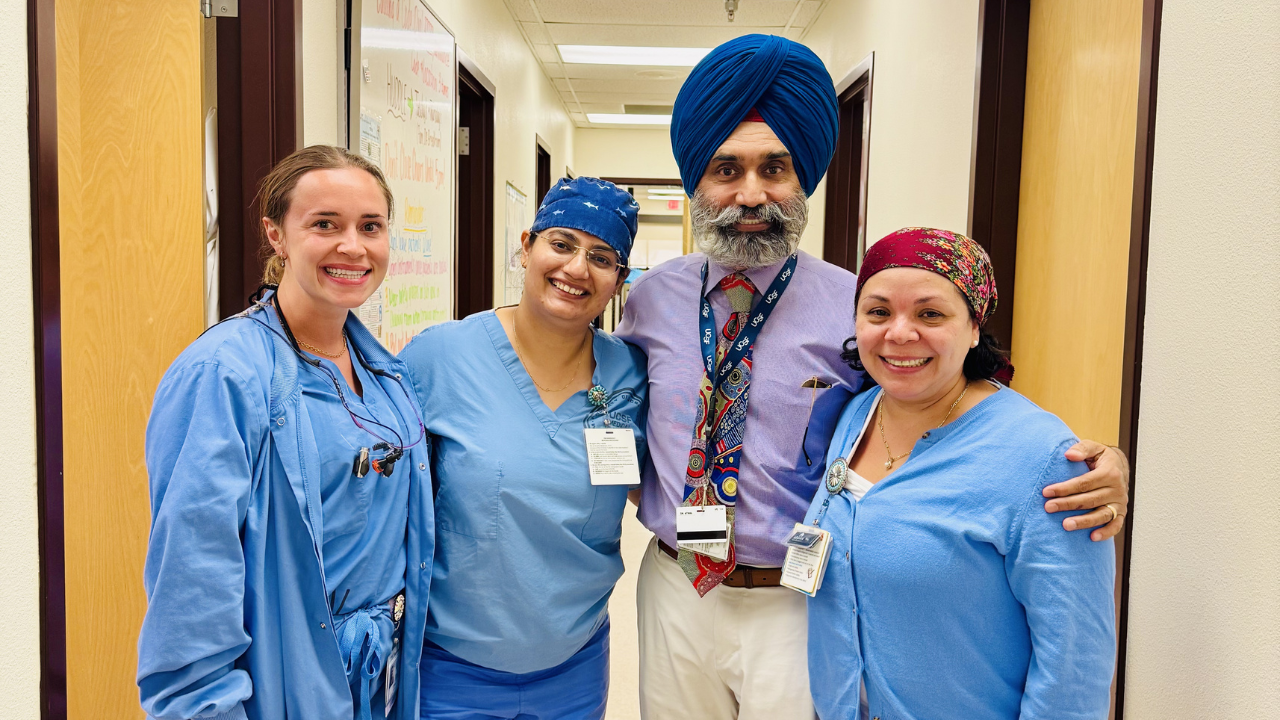
For more than 20 years, the UCSF School of Dentistry has sent predoctoral students to community clinics across the Bay Area and beyond through its Community-Based Clinical Education (CBCE) Program.
The program provides third- and fourth-year students with a combined 10 weeks of hands-on clinical experience in community-based settings, where they care for patients with diverse backgrounds, needs, and barriers to oral healthcare.
Under the leadership of Dean Michael Reddy, DMD, DMSc, and program director Gurrinder Atwal, DDS, MSc, MAGD, the CBCE Program has expanded significantly in recent years.
When he became program director in 2022, Atwal refined the program’s framework around three priority populations: rural, Native American, and low-income urban communities. He also expanded partnerships with community clinics and Federally Qualified Health Centers (FQHCs) to provide externship opportunities for every third- and fourth-year DDS student.
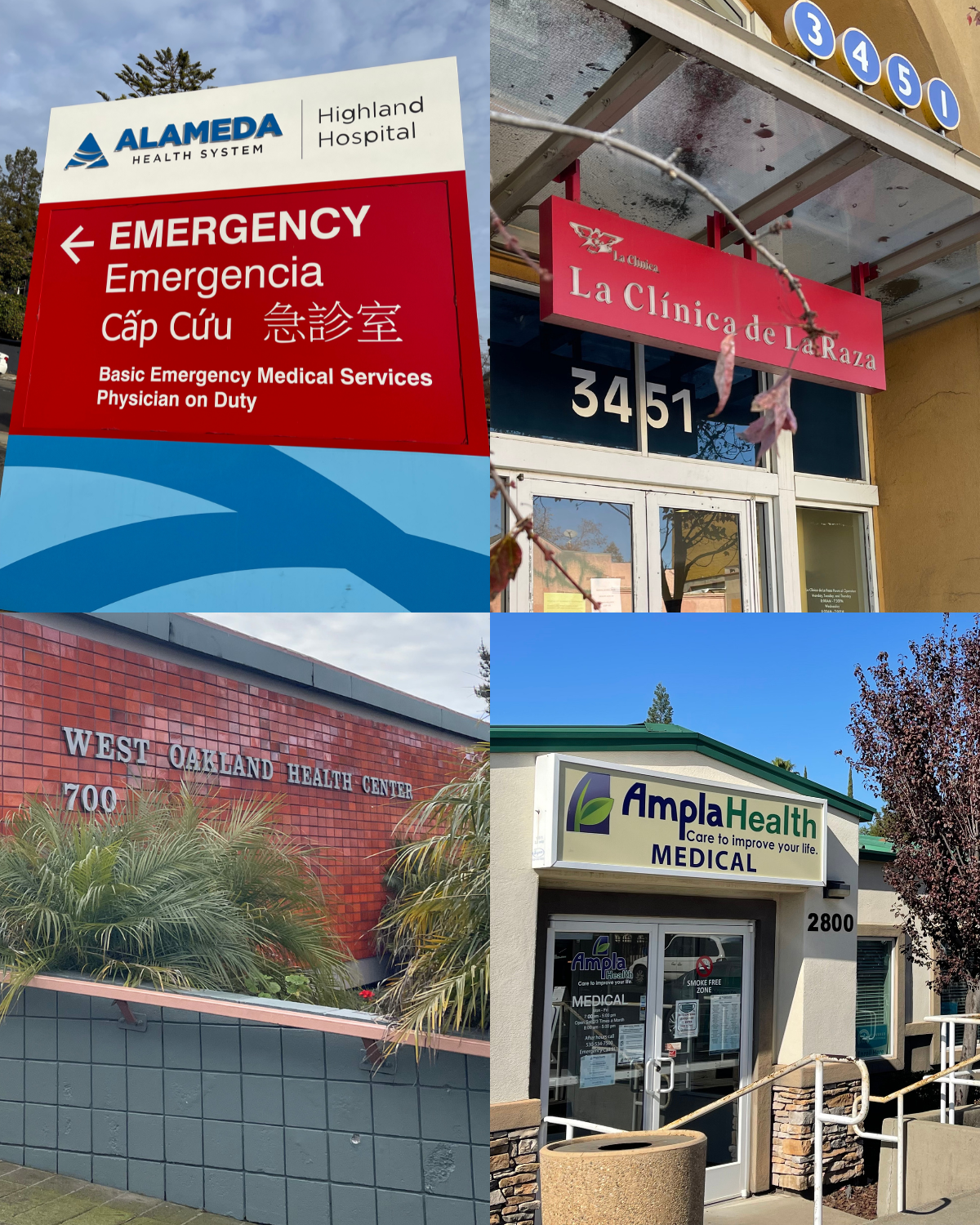
“We've grown from 13 clinics to 29 clinics in just three years,” Atwal said. CBCE partners include FQHCs such as San Mateo Medical Center, Native American community clinics like Tuba City in the Navajo Nation, and urban clinics like Highland Hospital in Oakland.
Preparing students for public health dentistry
Atwal recognized the importance of preparing students for the unique clinical environments and patient populations they would encounter during their externships—and in their careers—so he built that preparation into the curriculum. Before beginning their externship, students attend eight lecture sessions, a two-hour site-selection seminar, and a pre-rotation seminar.
“We discuss Native American communities, rural California, migrant workers, and the challenges different populations may face,” Atwal said. “We also talk about how to communicate effectively and respectfully with these communities.” Volunteer faculty members who work in these clinics deliver some of the lectures as well.
For the final seminar, Atwal reviews the expectations, rules, assignments, and what students need to accomplish.
"It's important that clinical education and service to the community go hand in hand, so we emphasize that throughout the preparation sessions,” said Atwal.
Challenges that lead to professional growth
Graduates of the UCSF School of Dentistry Class of 2026, Emma Nedley, DDS, and Abha Patkar, DDS, found that their externship experiences challenged them to improve their adaptability and agility as clinicians.
Nedley completed her externships at the Tuba City Regional Health Care Center in the Navajo Nation and Fair Oaks Health Center in Redwood City, California. Patkar completed hers at the Sacramento Native American Health Center and the San Mateo Medical Center.
“Sometimes supplies were limited, and you had to work with what you had. At school, we had access to almost any instrument we needed. At the clinic, I might ask for something and be told, ‘We don’t have that here,’” Patkar said.
“I learned to triage patients quite effectively for emergencies, think on my feet, handle complex cases with limited resources, and work more efficiently,” Nedley said.
Mentor clinician and program director for the general practice residency at Highland Hospital, Anchita Venkatesh, DMD, MS, agrees. “Externship students learn how to co-manage patients with medical teams, adapt treatment plans on the fly based on social determinants of health, and efficiently manage a schedule where emergency walk-ins and severe infections are the norm. It teaches them clinical agility that simply cannot be replicated in a traditional school setting,” Venkatesh said.
Accelerated clinical experience
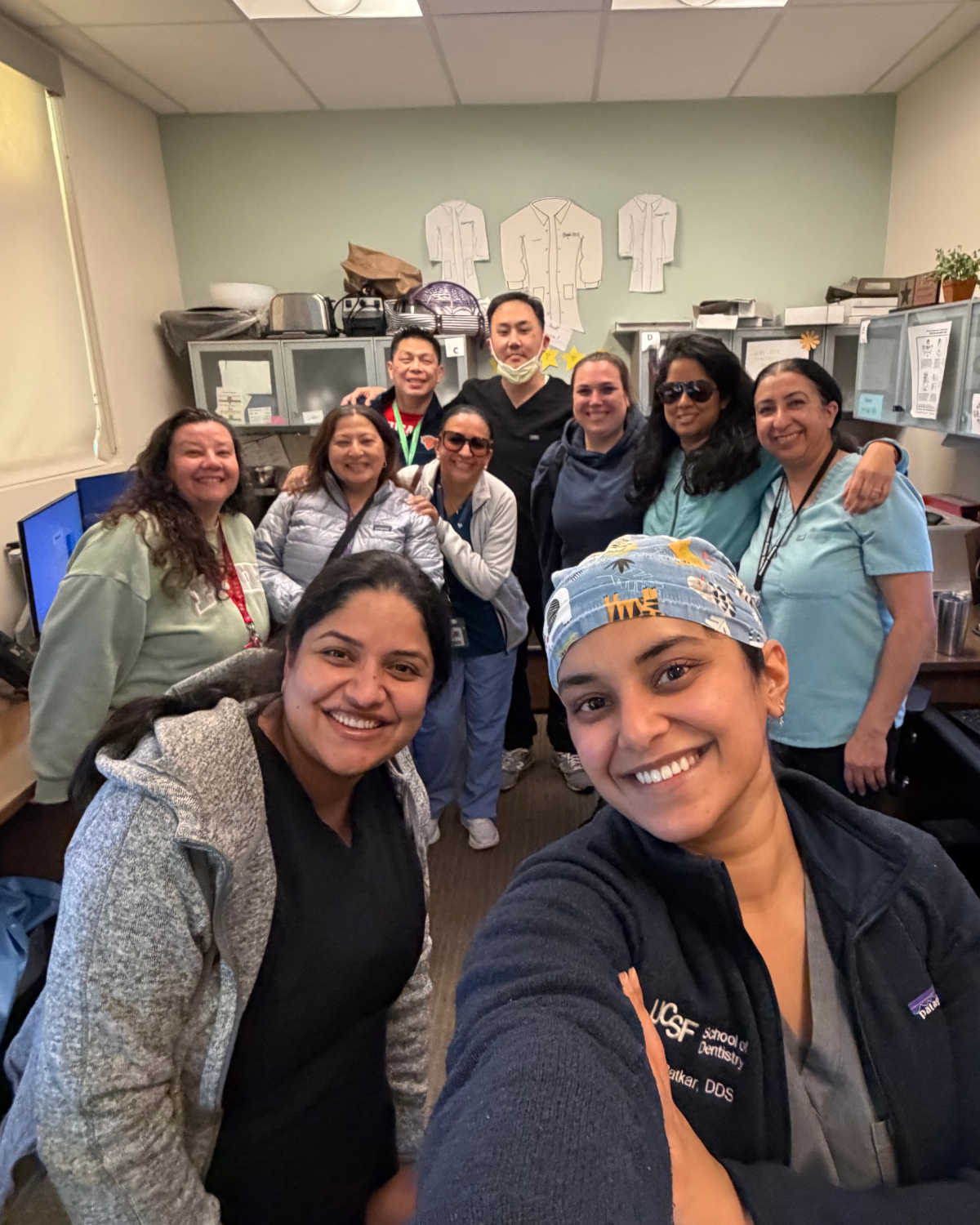
Atwal says the most frequently shared feedback from students is how much they learn in such a short time.
“I was exposed to many different opportunities that I would not have been able to experience in school, like assisting in double jaw surgery, impacted wisdom teeth removal, complex root canals, seeing kids and patients with special health care needs under anesthesia, and so many other things,” Nedley said.
Patkar, who is now completing a pediatric dentistry residency at UCLA, appreciated the expanded exposure to pediatric patients. “I gained much more pediatric restorative experience and crown experience than I would have at school, and I was very grateful for that,” she said. “We do see children at school through pediatric rotations, but in San Mateo, probably 70% of our patients were kids.”
Benefits for clinics
Clinic leaders emphasize the ways UCSF’s CBCE Program benefits their clinics and the communities they serve. One of the biggest advantages is the additional capacity student externs provide. “Their presence allows us to see more patients, reduce wait times for appointments, and provide extra time for patient education and oral hygiene instruction,” Venkatesh said.
The program also serves as a potential recruitment pipeline. “The externships can serve as working interviews, which may allow us more recruiting opportunities,” said Christina Zeigler, DDS, dental director for the Tuba City Regional Health Care Center.
Beyond the direct clinical support, externs bring a fresh perspective and enthusiasm to the workplace. “Hosting UCSF students brings a vibrant, academic energy to our clinic that directly translates to enhanced patient care,” said Venkatesh.
A program with lasting impact
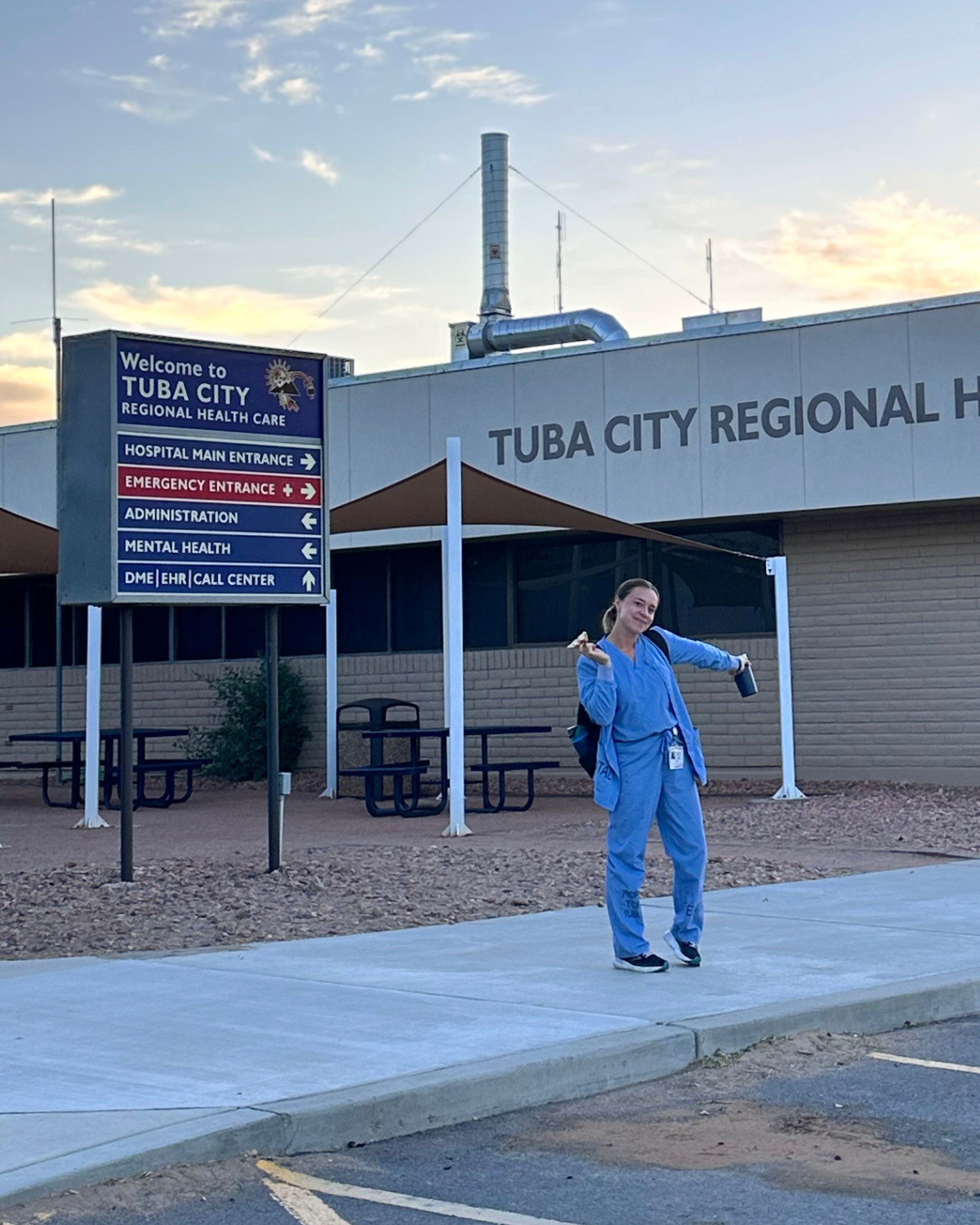
Both Nedley and Patkar describe profound shifts in how they think about their future career paths and how they understand the healthcare landscape they are entering.
“In the classroom, oral health inequity is often presented through statistics—higher caries rates, increased edentulism, and limited access to specialty care. But working directly in community settings allows you to meet the individuals behind those numbers,” Nedley said.
The experience also reinforced both graduates' commitment to practicing where the need is greatest.
“The externships reinforced my desire to help bridge access gaps and work in areas where there aren’t enough pediatric dental providers,” Patkar said.
While not every student will pursue a career in public health dentistry, CBCE leaders and faculty say the experience shapes how graduates approach patient care throughout their careers.
“When a future dentist witnesses these disparities firsthand, it shifts their perspective. Whether they ultimately choose a career in public health or go into private practice, this experience ensures they will always treat vulnerable populations with deeper compassion, advocate for health equity, and understand the vital role dental public health plays in the broader healthcare ecosystem,” Venkatesh said.
By Erin Wilkey Oh
Share this post


